It may be true that the Japanese care dearly about the Bluefin Tuna populations as they rely on them for food, but dolphins are also an animal that needs attention. The Hector’s Dolphins are one of the rarest dolphins in the world. Hector’s Dolphins are one of the most endangered species of animals due to a number of contributing factors. Pollution is one of the major reasons why these dolphins are getting lesser and lesser in number. Most of the garbage dumped into the sea is eaten by dolphins which makes them fall sick.
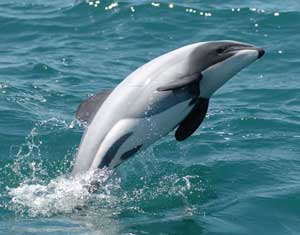
Hector’s dolphins are the smallest of the delphinids. Hector’s dolphins are endemic to the coastal regions of New Zealand. These types of species have a preference for shallow and coastal waters less than 100m deep. This means that they can be seen at coastal areas. In some areas, there is a pronounced seasonal difference in distribution, with dolphins being sighted further offshore and in deeper water in winter, presumably in response to movements of their prey species. Hector’s Dolphins have a low potential for population growth.
The Problem
The greatest problem is that Hector’s Dolphins are found only near the coastal areas of New Zealand. It has been estimated that the remaining number of hector’s dolphins has gone down to just 8000 individuals. The decline was caused by dolphins being caught and drowned in gillnets used by commercial and recreational fishers. The worst affected are the North Island dolphins with a population size of only 100 individuals, they are one of the most critically endangered species.
The Solution
The problem of the extinction of hector’s dolphins can only be solved by simply allowing fishing in selective areas to authorized people where these dolphins are found.
In particular, in waters less than 100m deep, the following precautions must be taken care of:
- Only use catching methods and nets that don’t engulf dolphins.
- Replace gillnets, trawling and any other such tool with selective, sustainable fishing methods so that no harm is done to the dolphins by any chance.
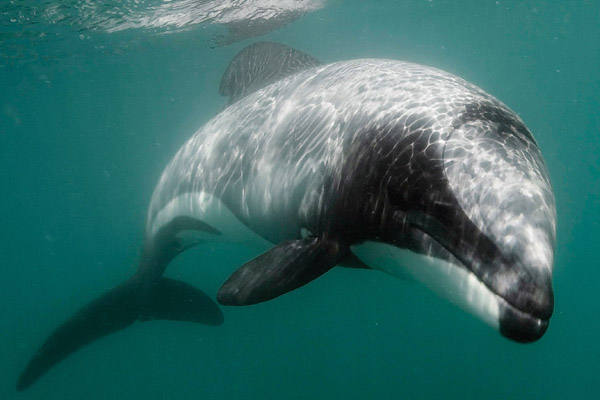
Many new methods and measures have come up in order to protect the existence of hector’s dolphins such as banning gillnet and trawl fisheries in areas where dolphins are found. The new protection measures are a major step forward. However, they are not sufficient to allow population recovery and do not yet meet national or international guidelines for marine mammal protection.