Rss Feed

‘Animals’ Category

  1. Hector’s Dolphin

    May 18, 2011 by

    It may be true that the Japanese care dearly about the Bluefin Tuna populations as they rely on them for food, but dolphins are also an animal that needs attention. The Hector’s Dolphins are one of the rarest dolphins in the world. Hector’s Dolphins are one of the most endangered species of animals due to a number of contributing factors. Pollution is one of the major reasons why these dolphins are getting lesser and lesser in number. Most of the garbage dumped into the sea is eaten by dolphins which makes them fall sick.
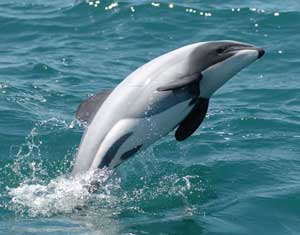
    Hector’s dolphins are the smallest of the delphinids. Hector’s dolphins are endemic to the coastal regions of New Zealand. These types of species have a preference for shallow and coastal waters less than 100m deep. This means that they can be seen at coastal areas. In some areas, there is a pronounced seasonal difference in distribution, with dolphins being sighted further offshore and in deeper water in winter, presumably in response to movements of their prey species. Hector’s Dolphins have a low potential for population growth.

    The Problem
    The greatest problem is that Hector’s Dolphins are found only near the coastal areas of New Zealand. It has been estimated that the remaining number of hector’s dolphins has gone down to just 8000 individuals. The decline was caused by dolphins being caught and drowned in gillnets used by commercial and recreational fishers. The worst affected are the North Island dolphins with a population size of only 100 individuals, they are one of the most critically endangered species.

    The Solution
    The problem of the extinction of hector’s dolphins can only be solved by simply allowing fishing in selective areas to authorized people where these dolphins are found.
    In particular, in waters less than 100m deep, the following precautions must be taken care of:

    • Only use catching methods and nets that don’t engulf dolphins.
    • Replace gillnets, trawling and any other such tool with selective, sustainable fishing methods so that no harm is done to the dolphins by any chance.
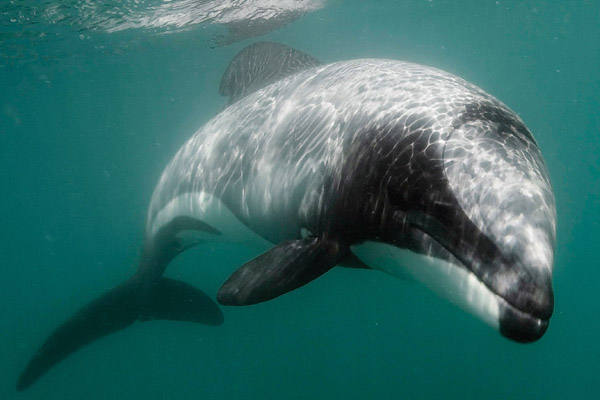
    Many new methods and measures have come up in order to protect the existence of hector’s dolphins such as banning gillnet and trawl fisheries in areas where dolphins are found. The new protection measures are a major step forward. However, they are not sufficient to allow population recovery and do not yet meet national or international guidelines for marine mammal protection.

  2. List of Endangered Animals in the Ocean

    by

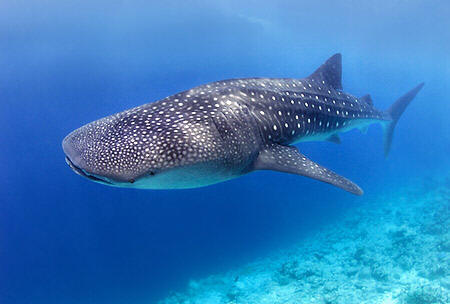
    Something that got us pondering of late in Japan is the effect on the Tohoku earthquake and tsunami. One particular topic is wildlife in the ocean and what radiation would mean for the waters that are shared worldwide. It’s already difficult as it is to sustain life in ocean because of various harmful affects from modern day living. One persistent problem is the endangered ocean animals. It is difficult to tell how the entire fish population is doing in the world. Of the 30,000 known fish species, 10 percent are endangered animals in the ocean. Almost half of those surveyed are already considered endangered.

    The main reason for the decline of the population of fish is overfishing, next is habitat loss then pollution. Coelacanth and bizarre small tooth sawfish, some of the world’s unique fish are on the brink of extinction.

    So if you like eating fish, you must know which one to order with the use of the Consumer Guide to Overfishing. Through this, you will be ordering the fishes that are considered endangered.


    Here is a list of fishes that you must help to protect because they are already on the brink of extinction:

    1. The Andean Catfish is a nocturnal fish that can find food at night with the help of the barbels found around its mouth serving as high sensitive taste buds.

    2. The Angel Shark is like a ray; it stays in the mud and silt of the seabed almost all the time.

    3. There is not much Borneo sharks anymore. These sharks can be found usually in the shallow waters of the coasts of the South Pacific Ocean.

    4. Coelacanth is considered to be a living fossil. This is because it is one of the surviving species of its kind that died during the age when the dinosaurs died.

    5. The Lost River Sucker is a fish that has a very long life. Its lifespan can reach up to 40 years old and more.

    6. The Mekong Freshwater Stingray is considered as one of the biggest fish in the whole world.

    7. The Mekong Giant Catfish are freshwater fish that has sizes that can be as large as grizzly bears.

    8. The Nassau Grouper can be found in places such as the Gulf of Mexico, the Caribbean Sea, western Atlantic Ocean and Florida Keys.

    9. The Russian Sturgeon is a fish that has a large built. It is bony and it can reach to a length of more than 6 feet.

    10. The Small tooth Sawfish is a fish that is long and sleek. You can find this kind of fish in shallow coastal areas and estuarine waters.

    The International Union for Conservation of Nature’s red list has 368 species on their list that are considered endangered or are threatened to be endangered. In the list, 95 are already endangered and 41 are on a critical stage of being endangered. Some of the endangered marine species are the Loggerhead turtle, the hooded seal, and of course the blue whale. These marine species are becoming endangered because of hunters. However, hunters are not the only reason why they are endangered, other reasons why they are endangered are:

    1. Climate change is one of the reasons why they are endangered because if the water becomes warm due to the climate change, then there will be less oxygen in the water.

    2. Because of the climate change, the chemistry and the currents in the ocean are also affected, and this will also indirectly affect the entire population of the ocean life.

    3. Other reasons are overfishing and pollution. Almost ¾ of the population of fish in the waters are overfished and pollution may create bacteria that deplete oxygen in the water.

    These things should be avoided, there should be proper action from the people so that these endangered species will be saved and the next generation may still be able to see them.

    Reference: Illustrated Encyclopedia of endangered animals.