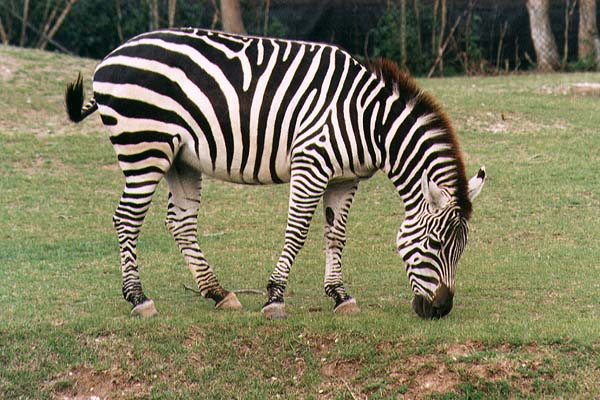
The reasons for the threat of extinction is loss of habitat, habitat fragmentation, and overgrazing or competing with livestock. These zebras have to fight for food and water because they cannot find it as easily as before. There is a conservation project that has been started by the Kenya Wildlife Service back in 2002. Their goal was to stop the drop in numbers and eventually increase the population. To do this, they have to have accurate data on the population and distribution. Where do they go and how many are they?
Fortunately with GPS, they can survey land and protected areas once every 2 months. They can also go after the poachers who know exactly which species is endangered and will fetch a higher price. They launched a community program in 2005 wherein each community monitors and catches poachers. It isn’t as effective as they would it to be and only 2 arrests have been made since 2005.
In 2008, the National Grevy’s Zebra Conservation and Management Strategy was formed and officially launched. They were able to put GPS collars on 5 female Grevy’s zebras and it has helped them track them down and find out how they are surviving. They have also been able to pinpoint key areas where the Grevy’s zebras like to stay and have managed to cordon off the area and provide them with ample security.
Their focus now is on providing legal protection for the Grevy’s zebras because under the law, it is considered a gaming animal. People are allowed to hunt and kill these zebras. This has to change to endangered or protected species and taken off the gaming animal list.